
Cracks in your foundation. Doors that stick. Uneven floors. These are all signs your home may be settling, and it won’t stop on its own. As the soil beneath your foundation shifts or sinks, it can cause serious structural movement that leads to long-term damage.
At Force Basements, we provide professional foundation settlement repair for homes across Central Illinois, including Pekin, Peoria, Bloomington, Normal, Champaign, Springfield, and nearby areas. Our team uses proven methods to stabilize your foundation, prevent further movement, and protect your home from costly repairs down the road.
If your foundation is settling, your home will start to tell you. You might see long cracks in the walls or foundation, stair-step fractures in brickwork, or doors and windows that suddenly won’t close the way they used to. These changes may seem small at first, but they point to a serious shift happening beneath your home.
We understand how stressful that can feel. Foundation problems don’t just affect your property value; they affect your peace of mind. That’s why Force Basements offers financing options to help make necessary repairs more manageable. You shouldn’t have to wait when your home’s structure is at risk. We’re here to guide you through it, with expert repairs and support every step of the way.
In Central Illinois, shifting soil is one of the biggest threats to a stable foundation. Most homes are built on clay-rich soil that expands when it’s wet and shrinks when it dries. That constant cycle of movement puts stress on your foundation and causes it to shift or settle over time.
Several common conditions can lead to foundation settlement:
Expanding and shrinking soil caused by seasonal moisture changes
During heavy rains, clay soil swells and pushes against the foundation. During dry periods, it contracts and pulls away, leaving gaps beneath your home.
Poorly compacted fill soil used during construction
If the soil beneath your foundation wasn’t properly compacted when the home was built, it can compress or shift under the weight of the house, causing uneven settlement.
Hydrostatic pressure from water buildup around the foundation
Saturated soil creates pressure against basement walls and footings, forcing movement and weakening structural supports.
Plumbing leaks or drainage issues
Water from leaky pipes, gutters, or poor drainage can wash away supporting soil, especially near corners or around footings.
As the ground beneath your home loses stability, the foundation begins to move. Over time, that movement can lead to visible damage like cracks, sloping floors, or jammed doors and windows.

Foundation settlement often shows up in subtle ways before the damage becomes severe. Keep an eye out for these common warning signs:
Stair-step cracks in brick or block walls
Cracks extending from the corners of doors or windows
Drywall cracks on walls or ceilings, especially near seams
Bouncy, uneven, or sloping floors
Bowing or tilting basement walls
Chimneys that lean or pull away from the home
Doors or windows that suddenly stick or won’t latch properly
If you’ve noticed any of these issues, it’s time to schedule a professional foundation inspection. These signs may seem small, but they point to movement happening beneath your home, and the sooner it’s addressed, the better your outcome will be.
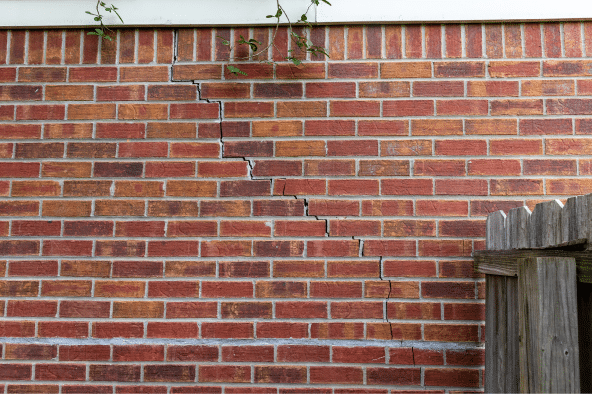
Foundation settlement doesn’t slow down or stabilize with time; it gets worse. Cracks widen, walls shift, and pressure builds against your structure. What starts as a few signs of movement can quickly grow into major water damage, costly structural repairs, and serious issues during a future home sale.
Timely foundation repair can help you:
Restore strength and safety beneath your home
Prevent water intrusion, flooding, and mold problems
Fix doors and windows that no longer open or close properly
Protect your home’s value and avoid headaches at resale
Acting now means fewer repairs, lower costs, and the peace of mind that your foundation is secure.
At Force Basements, we install engineered pier systems that permanently stabilize your foundation. These systems transfer the weight of your home from unstable soil to stable strata far below the surface.
In addition to settlement repair, we also offer:
Investing in settlement repair now saves money, prevents future problems, and provides peace of mind.
If you’re seeing cracks, sloping floors, or doors that won’t close properly, don’t wait for the damage to spread. Force Basements offers free, no-obligation inspections for homeowners throughout Pekin, Peoria, Bloomington, Normal, Champaign, Springfield, and the surrounding areas.
Call us at 309-839-4801 or click below to schedule your inspection. We’ll assess the issue, explain your options, and help you protect your home with confidence.