Page summary:
Central Illinois summer storms can overwhelm a basement or crawl space fast, and knowing what to check ahead of time makes the difference between minor water and real damage. This walks through what to inspect before a storm hits, the signs a sump pump, crawl space, or foundation is already under strain, and what to look for once the rain clears. It also covers how Force Basements handles the sump pump, crawl space, waterproofing, and foundation issues that summer storms tend to expose.
Basement and Crawl Space Storm Prep for Central Illinois Homeowners
Central Illinois summer storms can turn a quiet evening into a flood risk within an hour. The National Weather Service office in Lincoln has documented summer storms with rainfall rates over four inches an hour, enough to cause urban flooding in Normal and on the north side of Peoria in a single night. A basement or crawl space with no prep sits directly in the path of that kind of rain. Getting ahead of storm season starts with knowing what to check before the rain starts.
Before the Storm Hits
A few simple checks can cut down on water damage before a storm ever arrives. None of these take long, but skipping them is often what turns a heavy rain into a flooded floor.
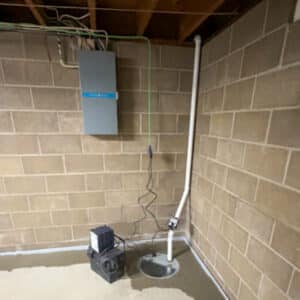
- Test the sump pump and confirm the battery backup kicks in when the power cuts out. A backup that hasn’t been checked in months might not work when it’s needed most.
- Clear leaves and debris from the gutters and downspouts so rainwater moves away from the house instead of pooling near the foundation.
- Walk the yard and check the grading close to the foundation. Low spots that slope toward the house send water straight at the walls during a downpour.
- Check window well covers for cracks, gaps, or clogged drains. A cover that no longer seals lets rain in even before the well fills up.
- Look over crawl space vents and encapsulation seals for tears or open gaps. Moisture gets in through the smallest opening once the rain picks up.
These checks take an afternoon, and running through them before a bad forecast gives a much better shot at catching a problem early.
What a Strained System Looks Like Right Now
Some of these signs show up during the storm, others only after the rain stops and the water has had time to settle. Either way, they point to a system that’s already under more pressure than it can handle.
The Sump Pump Runs Nonstop
Step near the sump pit during a heavy rain and the pump might already be cycling every few minutes instead of only when it’s needed. That kind of constant cycling means the system is working at its limit, not just staying ahead of normal groundwater. Central Illinois clay soils hold water close to the surface, so once the ground saturates during a multi-inch rain event, the pump has nowhere to send the extra load but straight up through the discharge line.
The Crawl Space Feels Heavier Than Usual
Walk into the crawl space after a storm and the air might feel thick, damp, and harder to breathe in than the rest of the house. That heaviness usually means water vapor is building up faster than the vents or encapsulation system can clear it. A torn vapor barrier or a gap in the encapsulation seal lets ground moisture rise straight into the space every time the soil outside gets saturated.
Window Wells Show Water Lines or Staining
Look closely at the inside of a window well after a rain and there might be a visible water line partway up the wall, or dark staining where water sat for a while before draining. That staining is a record of how high the water actually got, even if it drained before anyone saw it happen. A well with a slow drain or a failing cover holds water against the foundation wall far longer than it should during a heavy downpour.
A Musty Smell Shows Up After Rain
Open the basement door after a storm and a musty, earthy smell might hit before anything looks wrong. That smell points to moisture sitting somewhere out of sight, often behind a wall or under flooring, long enough for mold to start. Central Illinois humidity during summer storm season gives that moisture little chance to dry out on its own once it gets in.
After the Storm Passes
Once the rain stops, a quick walkthrough can catch problems before they turn into bigger repairs. This only takes a few minutes but makes a real difference in what gets fixed early versus what gets missed until it’s worse.
- Check the crawl space floor for standing water or wet insulation, especially near the perimeter walls where groundwater pushes in first.
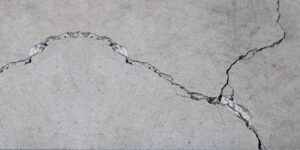
- Look along basement walls and the foundation for new cracks or cracks that seem wider than before the storm.
- Confirm the sump pump actually kept pace by checking the discharge line outside for a steady flow trail or pooling near the exit point.
- Smell the basement and crawl space for any new musty odor that wasn’t there before the rain.
- Check window wells for debris or standing water that could clog the drain before the next storm.
Catching any of these early gives a much better shot at a simple fix instead of a bigger one down the road.
What Force Basements Does to Help
A sump pump that can’t keep up during a storm usually needs more than a battery check. Force Basements installs sump pump systems sized to handle the volume Central Illinois storms bring, matched to the drainage conditions around a specific home.
Crawl space moisture that shows up after every heavy rain points to a vapor barrier or seal that isn’t holding up. Force Basements repairs and installs crawl space encapsulation systems built to keep groundwater and humidity out for the long term.
Water lines inside a window well signal a drainage or cover problem that gets worse with every storm. Force Basements handles egress window and window well repair so water moves away from the foundation instead of sitting against it.
A musty smell that lingers after rain often traces back to a crack or a wall letting water through. Force Basements repairs foundation cracks and provides basement waterproofing built around Central Illinois soil and rainfall patterns.
With more than 120 combined years of experience across the team, Force Basements has repaired homes throughout the Peoria, Bloomington-Normal, Champaign, and Springfield areas through decades of storm seasons.
Get Ahead of the Next Storm
A free inspection now can catch a weak point before the next heavy rain finds it. Force Basements offers free in-home inspections across the Central Illinois service area, with a plan of action laid out the same day. Financing is available through a participating lender for homeowners who want to handle repairs before storm season peaks rather than after a flood forces the issue.